


ADVENTURES IN TANZANIA
Wildlife, Mountains and Ocean
From the crater floors and sweeping plains of the Serengeti to the volcanic shores of Lake Natron and the powder-white beaches of Zanzibar, Tanzania is a tapestry of dramatic landscapes and abundant wildlife. Expect unforgettable safari drives, cultural encounters and ocean-side relaxation.
.png)
Reasons to Visit Tanzania
Tanzania offers some of Africa’s most iconic wildlife and landscapes, alongside cultural richness and the Indian Ocean.
On safari, you’ll track elephants, lions and giraffes through UNESCO-recognised wilderness, watch flamingos at soda lakes, and witness vast herds grazing the Serengeti plains. After the bush, Zanzibar’s coral reefs, Swahili stone town and endless beaches bring a contrasting rhythm of relaxation and exploration.
-
Best for: Big-game viewing and migration experiences; volcano-framed lakes; beach escapes; combining active safari with downtime by the sea.
-
Getting there: Fly to Kilimanjaro Airport from London with one stop enroute in 12 - 15 hours
-
Entry Requirements: UK Passport holders will need a e-visa (check the FCDO advice)
13 Day - Private Tour (Customisable)
The Wild North to Zanzibar
From £5750 per person (based on two sharing, exc. flights)
From £5340 per person (based on four sharing, exc. flights)
This journey takes you off the beaten track to explore Tanzania’s wildest northern landscapes, then across to Zanzibar for some beach time.
You’ll start with Lake Natron’s volcanic scenery and quiet Maasai territory before heading into the Serengeti, where the northern and central regions provide big cat encounters, riverfront game viewing, and some of the most remote areas of the park. From there, descend into the Ngorongoro Crater, a natural amphitheatre filled with lions, elephants, flamingos and forested slopes. This route gives you varied terrain: canyons, plains, soda lakes and crater floors.
You end with five relaxing days on Zanzibar, enjoying an all-inclusive stay, white sand beaches, warm Indian Ocean water, and the option to explore Stone Town or simply unwind after an active overland safari.

Tanzania's Highlights

Serengeti National Park
Home to Africa’s iconic wildlife, the Serengeti offers sweeping savannahs, river crossings, and predator-prey drama. Year-round game viewing includes lions, leopards, elephants, and giraffes. The park’s vast open plains are central to the Great Migration, creating one of the most celebrated wildlife spectacles on Earth.

Ngorongoro Crater
A UNESCO World Heritage site, the Ngorongoro Crater is a natural amphitheatre teeming with wildlife. Lions, black rhinos, elephants, and flamingos inhabit the crater floor, while steep walls provide dramatic vistas. Its unique ecosystem makes it one of the most accessible and rewarding safari destinations in Tanzania.

Lake Natron
Known for its striking red-hued waters, Lake Natron is a vital breeding site for flamingos. The alkaline lake is framed by Ol Doinyo Lengai, the sacred “Mountain of God.” Its remote landscapes, waterfalls, and Maasai villages offer a dramatic, off-the-beaten-track safari experience.

Mount Kilimanjaro
Africa’s highest peak rises from the savannah to snow-capped heights. Kilimanjaro offers trekking experiences for all levels, from forested lower slopes to alpine deserts and glaciers. Even without summiting, views of the mountain dominate the northern Tanzania landscape and create iconic photographic opportunities.

Zanzibar’s Stone Town
A UNESCO World Heritage site, Stone Town brims with history and culture. Narrow alleyways, carved wooden doors, spice markets, and historic mosques tell stories of trade and empire. It’s a lively, colourful introduction to Zanzibar’s unique Swahili heritage before relaxing on nearby beaches.

Zanzibar Beaches
From white sands to turquoise waters, Zanzibar’s beaches are idyllic for swimming, snorkelling, and diving. Coral reefs support vibrant marine life, while quieter coves provide a sense of escape. This coastal paradise complements inland safaris with a tropical, relaxing interlude.
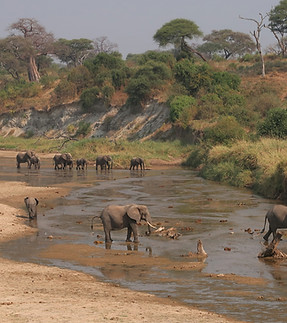
Tarangire National Park
Known for large elephant herds and iconic baobab trees, Tarangire offers a different safari experience from the Serengeti. Dry-season wildlife concentrations make game viewing easy, while quiet tracks through acacia-studded plains provide intimate encounters with predators and birds alike.

Maasai Culture
Experience Tanzania’s rich cultural heritage through visits to Maasai villages. Learn about traditional beadwork, cattle herding, and local rituals, gaining insight into the people who have lived alongside Tanzania’s wildlife for centuries. These encounters deepen the understanding of the country beyond the safari.
The Great Migration
The Great Migration is one of nature’s most spectacular events, involving over a million wildebeest, accompanied by hundreds of thousands of zebra and gazelle, moving across the Serengeti–Mara ecosystem in search of fresh grazing and water. The migration is a year-round cycle, but the location shifts with the rains, creating distinct seasonal phases.
December to March: Herds gather in the southern Serengeti and Ndutu area for the calving season. Thousands of calves are born, attracting predators such as lions and hyenas in dramatic predator–prey interactions.
April to May: The animals move north through central Serengeti (Seronera/Moru), crossing savannah and woodland areas.
June to July: The migration reaches the Grumeti River in the Western Corridor, where crocodiles lie in wait for river crossings.
July to October: The iconic Mara River crossings in northern Serengeti and the Maasai Mara showcase sheer determination as herds battle strong currents and predators.
November: The return journey begins southward to the fertile southern plains, completing the annual cycle.
We'll work with you to plan the safari experience you are looking for, whether to watch the migration in the Serengeti, or to find a quieter, more intimate wildlife safari.
_edited_edited_edited.jpg)


When to visit
June – October
Dry season and peak safari time. Wildlife congregates around waterholes, making game drives ideal. Great Migration river crossings occur in the northern Serengeti.
Good for: Classic safari experiences, big-game viewing, and photography.
November – February
Short rains fall in November; landscapes are green and vibrant. Fewer tourists make for a quieter safari. Zanzibar is warm and sunny, perfect for beach stays.
Good for: Off-peak safaris, lush scenery, and coastal relaxation.
March – May
Long rains dominate, especially April. Some roads may be challenging, but wildlife viewing continues, with new born animals and migratory herds in southern and central Serengeti.
Good for: Birdwatching, new born wildlife, and lower prices.
Zanzibar
Best conditions generally coincide with dry season (June–October, December–February), but beaches are enjoyable year-round. Coral reefs offer excellent diving and snorkelling throughout the year.
Good for: Beach holidays, diving, and cultural exploration in Stone Town.

Why travel with us?
-
Our amazing team of expert guides & drivers
-
Authentic & comfortable accommodation
-
Fully supported itineraries, planned by the experts
-
24 hour support
-
Digital travel app for your itinerary & documents
-
Our commitment to wildlife, communities & conservation


