
Exploring Madeira
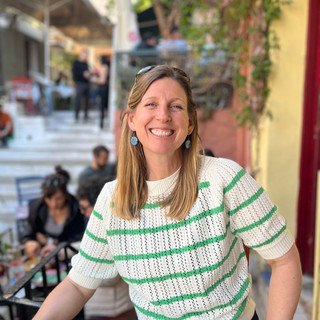
Madeira had been on our list for ages now and earlier this month we spent a fantastic week there. We divided our time between three very different parts of the island: Machico, Ponta do Sol and Funchal. It was an excellent way to see how varied Madeira is, from coastal towns, lush forests and mountain roads to grand gardens, levada walks and old towns. We managed to experience a huge amount, without the trip ever feeling rushed. By the time we flew home, it felt as though we had been away for far longer than a week. Although we agreed we would love to return for a longer stay.

Starting in Machico
We spent our first night in Machico, one of Madeira’s oldest towns and a convenient place to stay after arriving at the airport. Machico feels more local and low-key than Funchal. There is a small historic centre, a promenade and a sheltered bay with one of the island’s few sandy beaches.
It was a gentle introduction to Madeira, with a morning on the sandy beach and a dip in the sea. Machico is also well placed for exploring the eastern side of the island, including the dramatic Ponta de São Lourenço peninsula. The landscape here is much drier and more rugged than the green, forested scenery found elsewhere.
Ponta do Sol and the quieter side of Madeira
From Machico, we moved on to Ponta do Sol and stayed at Enotel Sunset Bay, which is right on the seafront. Ponta do Sol is a small coastal village squeezed between steep mountains and the Atlantic. Its name means 'sun point', and it is often described as one of the sunniest places on the island and we can certainly attest to this. We enjoyed our relaxing afternoons, with a book and a cold Sangria at the beach cafe - which also served up the best lemon meringue pie.
There's a pebble beach, with a protected area of sea for swimming - just the ticket after a hot day of exploring. The setting is lovely with colourful buildings lining the seafront, cliffs rise immediately behind the village. It feels fairly peaceful in the daytime, and in the evening people gather near the waterfront for drinks and dinner as the sun drops behind the ocean. We found a great spot for enjoying the local tipple overlooking the bay.
The Enotel was comfortable and friendly, and well positioned being right on the sea front. The village is very small and makes a great base for exploring the west of the island.
Driving in Madeira
Madeira is a relatively small island, but journeys are dramatic. The roads twist through mountains, cross high bridges and disappear into a seemingly endless sequence of tunnels. Madeira’s tunnel system makes it much easier to travel around the island.
The older routes cling to cliffsides and pass beneath waterfalls, many are now closed to vehicles due to land slides. The newer roads are quicker, but the scenery is still impressive, so you'll want to stop off at the many view points.
Hiring a car gives you a great deal of flexibility, particularly for levada walks and smaller villages. Confident drivers will no doubt enjoy the experience and freedom. Parking can be limited in popular places, so it is worth starting walks early. The airport at Funchal has one of the shortest runways, which means flights only land in good conditions. It's an incredible sight, as it's built above the sea and you even drive beneath it (pictured below).
Walking the Levada do Rei
One of the highlights of the trip was the Levada do Rei walk. Levadas are Madeira’s historic irrigation channels, originally created to carry water from the wetter northern parts of the island to farmland elsewhere. Today, the paths alongside them form an extraordinary network of walking routes.
Levada do Rei is a beautiful introduction to this landscape. The route passes through lush Laurisilva forest, with ferns, moss, waterfalls and dense vegetation lining the path. At times, the walk feels almost tropical. Water drips from the rock, tree branches arch overhead and the levada runs continuously beside you.
The path is mostly manageable, but it can be narrow and slippery. There are sections with steep drops, so good walking shoes are important. A waterproof jacket is also sensible, even when the weather looks settled. The scenery is stunning, it is green, peaceful and completely different from the dry landscapes of eastern Madeira.
If you're planning to hike a levada walk, visit the Visit Madeira website for a list of walks and route notices. Most levada walks require a permit to be booked in advance, this helps with the management of numbers. We found several walks were closed during our visit, so do plan ahead.
Hydrangeas, agapanthus and gardens everywhere
Madeira is famous for its flowers, and it deserves to be. Hydrangeas grow in enormous clusters along roadsides and around villages in brilliant shades of blue and white. Agapanthus are everywhere, creating long ribbons of purple and blue beside the roads.
Even away from the formal gardens, the island feels carefully planted. Bougainvillea spills over walls, tropical flowers surround hotels and gardens appear in places where you would normally expect car parks or bare concrete.
One of our favourite visits was Palheiro Gardens, set in the hills above Funchal. The gardens combine formal planting, mature trees and sweeping views across the city and coastline. They are spacious and peaceful, with plenty of shaded areas and quiet corners. Palheiro felt less crowded than some of Madeira’s better-known attractions, which made it easy to wander without following a fixed route. Definitely a favourite afternoon for me. It is worth allowing at least a couple of hours, particularly for anyone interested in plants, photography or simply escaping the heat. There's also an excellent cafe where you should have a cake!
Funchal: markets, wine and rooftop drinks
Our final base was Funchal, where we stayed at Castanheiro Boutique Hotel. The hotel is in the old town, close to restaurants, shops and many of Funchal’s main sights. It has a stylish rooftop pool and terrace, with views across the tiled roofs towards the sea.
Funchal is a good city for wandering. It is compact enough to explore on foot, although the hills quickly remind you that Madeira is a volcanic island. The old town has painted doors, narrow streets and pavement cafés. The waterfront is lively without feeling overwhelming, and there is a strong mix of local life and tourism.
We visited Blandy’s Wine Lodge to learn more about Madeira wine. Madeira wine is fortified and heated as part of its production, giving it a distinctive flavour and remarkable longevity. The tour explains how the different styles are made, from dry Sercial to sweet Malmsey.
Taking the cable car to Monte
One of Funchal’s classic experiences is taking the cable car up to Monte. The journey offers wide views over the city, harbour and densely packed houses climbing the hillsides. It is touristy, but the views make it worthwhile.
Monte itself is known for its church, tropical gardens and traditional wicker toboggans. The toboggans have been carrying passengers downhill since the nineteenth century. Two drivers, dressed in white with straw hats, steer the basket through the streets using their boots as brakes.
We watched several groups set off. Some looked delighted, others looked as though they were reconsidering every decision that had brought them to that moment. The ride does not take you all the way back to central Funchal, we walked afterwards and my legs were killing me, it's so steep and seemingly never-ending. Next time, I will be taking a taxi!
Food and drink
Madeira is particularly well known for seafood and espetada, the traditional beef skewers served on large metal stands. As a vegetarian, I found that some restaurants were better than others, but there were usually workable options, particularly in Funchal. Many places offered salads, vegetable dishes, soups and pasta, which were delicious.
Bolo do caco was a reliable favourite of mine for lunch. This round Madeiran bread is traditionally served warm with garlic butter and appeared on most menus. We also ate plenty of passionfruit-flavoured desserts and tried poncha, Madeira’s famously strong drink made with aguardente, honey and lemon or fruit juice.
Poncha is often served in small glasses, which initially suggests restraint. This impression does not last. Sangria was generally the gentler option, particularly on a sunny terrace overlooking the sea.
Madeira’s microclimates
Madeira’s weather can change very quickly. It may be warm and sunny on the south coast while cloud and drizzle cover the mountains. Temperatures also fall noticeably with altitude. This is one of the reasons the island is so green, but it does mean that packing for only one type of weather is a mistake. We wished we'd taken a light waterproof, when we arrived for our hike and it was pouring down and similarly we definitely needed sun protection.
The changing weather also adds to the drama. Clouds drift across mountain peaks, mist settles over the forests and sunlight suddenly breaks through over the coast.
What I loved about Madeira
We came home very impressed with Madeira. It's beautiful, and varied, with wild cliffs, forest walks, colourful gardens, sophisticated hotels, fishing villages, vineyards and a lively capital. It works well for travellers who want to be active, but it is equally easy to spend time beside a pool, at a spa or over a long lunch. It also felt safe, welcoming and easy to explore.
Perhaps the biggest compliment I can give Madeira is that the week felt much longer than seven days. Not because it dragged, but because each part of the trip felt distinct. Machico, Ponta do Sol and Funchal could almost have been three separate holidays. I returned home feeling rested, calm and excited to visit again
Practical tips for visiting Madeira
Madeira can be visited throughout the year, although conditions vary between the coast and mountains. Spring and early summer are particularly good for flowers and walking. Autumn can also be warm and pleasant, while winter is generally milder than the UK but more changeable.
A hire car is useful, but it is not essential. Funchal works well without one, and excursions or transfers can cover the main walking routes and attractions.
For levada walks, take proper footwear, water, a waterproof layer and a torch or phone light for routes that include tunnels.
Popular walks may now require advance registration or payment, so check the official Madeira walking trail information before travelling.
Allow more time than expected for journeys. Distances may look short on a map, but mountain roads, viewpoints and spontaneous stops have a habit of slowing things down.


Comments