
Could Honduras be the next Costa Rica?
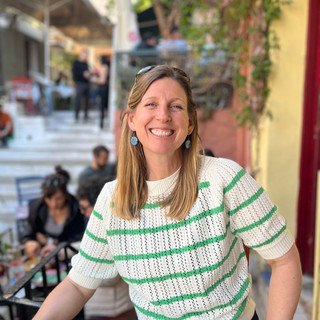
‘Isn’t it dangerous?’, worries my mam when I tell her I’m heading to Honduras for the Central American Travel Market. I’ve heard this before, but this was once the case for many, now-popular destinations. A Caribbean coastline with world-class diving, zip lining & rafting amongst lush jungle, elegant cathedrals, cobbled streets and brightly coloured rural towns, Honduras has much to offer, yet it’s rarely spoken of. I wonder how Honduras compares now to its popular neighbours like Guatemala or even Costa Rica.

Safe Streets & Colourful Towns
My first impression when I walked to the square of Santa Rosa de Copán, is that this is a safe and welcoming place. Girls in long brightly coloured skirts trotted around the plaza, families chatted on park benches and I joined the locals wandering the square, photographing fairy-lit trees and colonial architecture. I enjoyed coffee with a view at the old ‘Kiosko’ in the centre of the action. Santa Rosa even has a cycle canopy, where you can cycle over the treetops in a rewilded area of the city, now an eco-adventure park. We stayed at the Hotel Elvir, a charming hotel with pretty courtyard filled with lush greenery and original colourful art throughout. This was an ideal place for a couple of nights on arrival, a few hours from San Pedro Sula and close to our next stop, the Copán Ruins.
Sitting at the Kiosko on my first night in Santa Rosa (left) and the plaza of Copan Ruinas (right).
Copán Ruinas is a small town, famous for the ruined citadel. Possibly even more charming with vibrant street art alongside white-washed single-story buildings, the smell of fresh coffee and tortillas cooking from an array of trendy coffee shops and restaurants. Travellers are spoiled for choice, even us vegetarians in a country which excels in meat dishes. We made tortillas from scratch at Restaurant Lenca Maya with Carla, who described winning an enterprise award to renovate a dilapidated building into the restaurant and later start a shop celebrating Honduras creativity and supporting local women. Our base was the Hotel Marina Copán, with an interesting family history, lovely pool and excellent restaurant.
The Paris of the Mayan World
I’d wanted to visit a Mayan site since I was ten, watching the Mysterious Cities of Gold, the Copán Ruins fulfilled that dream and exceeded my expectations. A magical place, surrounded by lush forest, rowdy macaws and the Copán River close by. The series of ceremonial plazas, decorative staircases and the acropolis are open to explore. Sharing the moment were just a few others and at times as I pictured plazas without a soul in sight. The freedom, quiet and spectacle are breathtaking. Whilst the world battles with over-tourism at popular historic sites, Honduras is a breath of fresh air. Copán is the south-eastern-most point of the Mayan Empire which stretched across to southern Mexico. Described as the Paris of Mayan world, for its development of the arts, games, astronomy and the ornate carving of the site, if you’re interested in history, Copán is a must-see.
The Home of Fine Coffee
The businesses we visited were owned and managed locally and the spirit of cooperation was obvious, demonstrated by the English speakers being drafted in to provide translations for their neighbours. Coffee expert Jorge from Kaldi’s Coffee was one such helper for our coffee tour at the Seis Valles Coffee farm. We learned from owner Luis, about the coffee processes on this family farm, as we picked the unwanted early cherries. He’d rewilded sections of the farm to encourage birdlife a few years ago and has since found that the birds provide excellent pest control, protecting the coffee, and highlighting the power of nature in balance.
We explored the forests and waterfalls around the Finca Santa Isabel estate, another coffee farm who had reduced their production in favour of regenerative practice and higher quality coffee, now so popular they no longer export to foreign markets. The approach we’d seen on this trip was quality over quantity, managed by passionate business owners, proud of their country. This means when you sit down in a cafe, you’re experiencing exclusive home-grown, world-class coffee.
Responsible Tourism
Community-led tourism is thriving and rewilding initiatives are on the rise. Mass-tourism has yet to find Honduras, which means travellers can explore without the crowds and local infrastructure can cope with the number of visitors. Communities are enthusiastic and welcoming hosts. Many hotels have water stations, though still provide single-use plastic for water and toiletries, visitors can mitigate this by bringing their own filtered bottles. When we think about finding balance in tourism, Honduras is a great option.
Some of the colourful art work in our hotel and the Hotel Camino Maya in Copan Ruinas
Conclusion
Honduras has exceeded my expectations; the people are deeply passionate about their heritage and keen to share it. We’ve eaten delicious cuisine, slept in charming heritage properties and explored mesmerising historic sites. With adventure activities, diving, Mayan temples, coffee farms, charming rural towns and lush green mountains, Honduras is packed with highlights, but I don’t think many people are aware of it. Next time you think of travelling to Central America, why not take a moment to consider Honduras. My best advice is to get there as soon as possible, before everyone else realises what they’re missing.
Top tips
Getting there
You can fly to Honduras from London via the USA with British Airways.
You do need a visa for travel and to complete a digital landing card for arrival and departure.
Check out the FCDO advice for entry requirements before travel: https://www.gov.uk/foreign-travel-advice/honduras/entry-requirements
Responsible Travel
Take a filter water bottle with you, visit watertogo.eu and use the code ‘Firecrest’ at check out for a 20% discount
Avoid single use plastics by taking your own toiletries and a tote bag.
Avoid wildlife encounters, such as where monkey or macaws are used for photos, touching dolphins in swimming experiences or anything where you’re allowed to touch a wild animal. By removing demand for this type of activity animals will get a better deal in the future!
When to Visit?
Honduras has a tropical climate.
The dry season runs from December to April, but the rainy season offers lower prices and fewer visitors.
I visited in October and we only had a couple of short bursts of rain during our trip – nothing to put me off visiting at this time in the future.
From April to September, you find whale sharks around the Bay Islands.
Honduras is a largely Catholic country, with celebrations and parades for Easter and Christmas, plan ahead for travel at this time.
Get in touch now to arrange your travels in Honduras.


Comments